
When building or renovating a home, one of the most important decisions you’ll make is the type of roof you choose. Your roof is not just a protective covering; it also plays a key role in energy efficiency, aesthetics, and long-term maintenance. Among the most common options are flat roofs and pitched roofs, each with its own advantages and challenges. So, which one is best for your home? Let’s explore both styles in detail to help you make an informed choice.
🔹 What is a Flat Roof?
A flat roof, as the name suggests, has little to no pitch. In reality, most flat roofs have a slight slope to allow water drainage. They are commonly used in modern architecture and in urban areas where space efficiency is important.
Advantages of Flat Roofs:
- Cost-Effective: Flat roofs generally require fewer materials and less labor, making them more affordable initially.
- Space Utilization: Many homeowners use flat roofs as an outdoor living space, rooftop garden, or even to install solar panels.
- Modern Look: Flat roofs give a contemporary appearance, which is highly popular in modern house designs.
Challenges of Flat Roofs:
- Drainage Issues: Water and snow can accumulate if the drainage system is not properly designed.
- Shorter Lifespan: Flat roofs may require more maintenance and often don’t last as long as pitched roofs.
- Limited Material Options: Not all roofing materials are suitable for flat roofs.
🔹 What is a Pitched Roof?
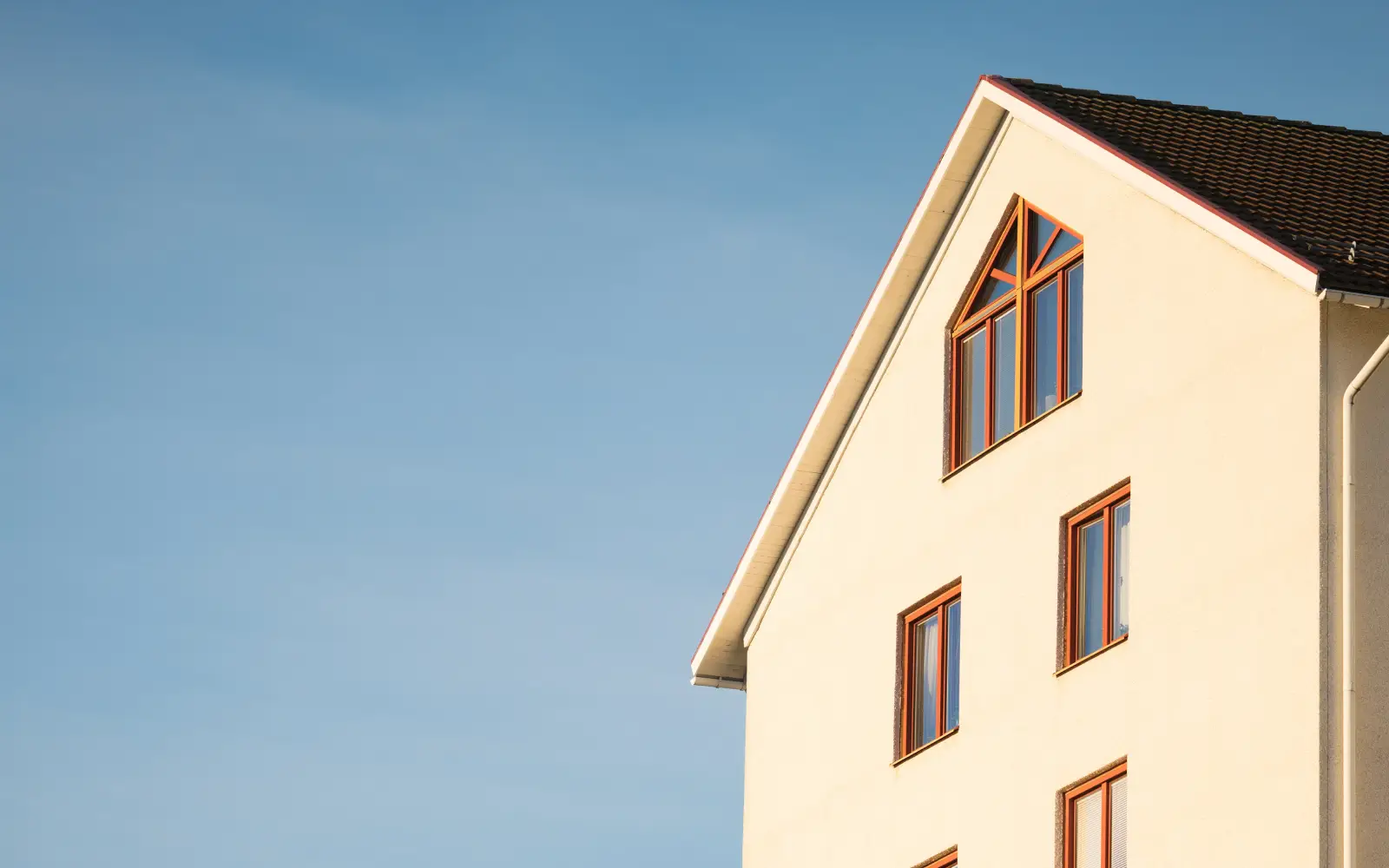
A pitched roof has a noticeable slope, often forming a triangular shape. It is the traditional style of roofing and is seen in most residential properties worldwide.
Advantages of Pitched Roofs:
- Excellent Drainage: Rainwater and snow naturally slide off, reducing the risk of water damage and leaks.
- Durability: Pitched roofs typically have a longer lifespan and can withstand harsh weather conditions.
- More Attic Space: The slope creates additional space, which can be used for storage or converted into a room.
- Wide Material Choices: Shingles, tiles, metal, and other materials work well with pitched roofs.
Challenges of Pitched Roofs:
- Higher Cost: Due to complexity and additional materials, pitched roofs are more expensive to build.
- Maintenance Difficulty: Repairs and inspections can be harder and riskier because of the slope.
- Design Limitations: A pitched roof may not always match modern architectural styles.
🔹 Comparing Flat Roof vs. Pitched Roof
| Feature | Flat Roof | Pitched Roof |
|---|---|---|
| Cost | Lower | Higher |
| Maintenance | More frequent | Less frequent |
| Drainage | Needs proper system | Naturally effective |
| Lifespan | 15–30 years | 30–50+ years |
| Aesthetic Style | Modern, sleek | Traditional, classic |
| Extra Space | Rooftop use | Attic storage |
🔹 Which One Should You Choose?
The decision between a flat roof and a pitched roof largely depends on your budget, location, and lifestyle.
- If you prefer a modern design, want to maximize rooftop space, and are located in a mild climate, a flat roof may be a better option.
- If you live in an area with heavy rainfall or snow, want long-term durability, and prefer a traditional look, a pitched roof is the ideal choice.
0 Comments