
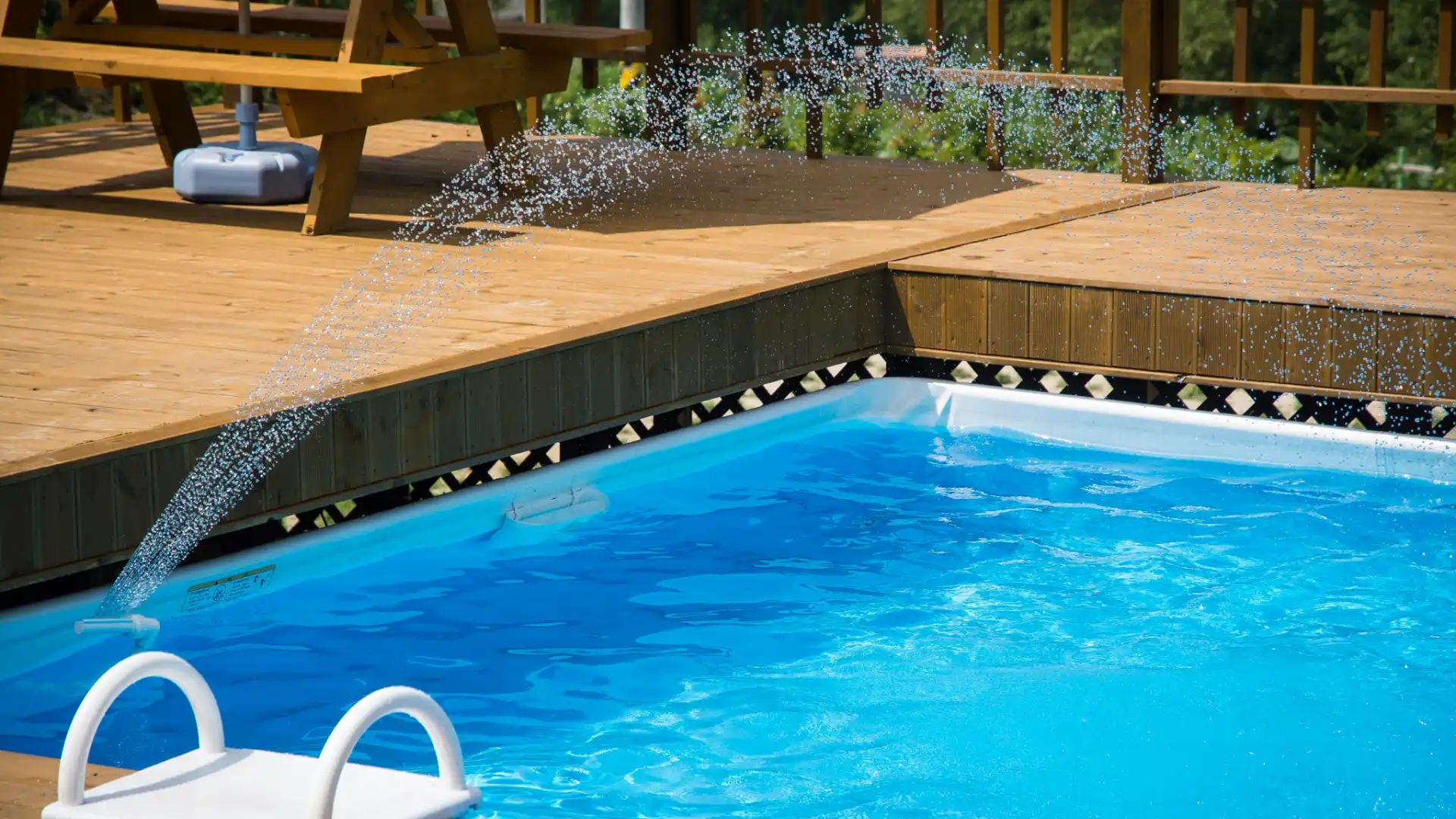
As a pool owner, recognizing when your pool needs professional attention can save you from future headaches and expensive repairs. While regular maintenance routines are essential, there are certain warning signs that shouldn’t be ignored. These signs often point to underlying issues that require more than just a quick skim or a do-it-yourself chemical test. If any of the following red flags appear, it’s a clear signal that it’s time to call in the pros.
Cloudy or Discolored Water
One of the most obvious signs your pool needs professional cleaning is when the water becomes cloudy, murky, or discolored. Clear, sparkling water is not just visually appealing—it’s also an indicator of a well-balanced and properly maintained pool. Cloudiness can result from poor filtration, insufficient sanitization, algae blooms, or a high concentration of dissolved solids. Sometimes, the cause may be multiple issues occurring at once. If your water no longer sparkles and you can’t see the bottom of the pool clearly, it’s best to stop swimming and contact a pool cleaning professional right away. They’ll test the water, check the filtration system, and restore clarity safely and effectively.
Algae Growth on Surfaces
Algae can be sneaky. It starts off looking like a light discoloration on the pool walls or floor and quickly turns into green, yellow, or even black patches. If you’re seeing algae buildup in corners, along steps, or on the surface, your pool is overdue for a serious clean. Algae thrive in warm, stagnant, or imbalanced water and can spread rapidly if not treated properly. Not only is algae unsightly, but it also creates slippery surfaces that pose a safety hazard. Scrubbing alone won’t always do the trick—especially with certain types like black algae, which require targeted treatment. A professional service has the tools and chemicals necessary to eliminate algae thoroughly and prevent it from returning.
Strong Chemical or Chlorine Odor
Many pool owners assume that a strong chlorine smell is a sign of cleanliness, but the opposite is often true. That sharp, chemical-like odor actually comes from chloramines—compounds formed when chlorine binds with organic matter like sweat, body oils, and urine. Chloramines are less effective as sanitizers and indicate that your pool water needs to be “shocked” or rebalanced. A properly maintained pool should have little to no odor. If you’re hit with a harsh smell every time you walk by the pool, it’s time to call a professional. They can rebalance the water chemistry, shock the pool if necessary, and ensure all sanitation systems are working as intended.
Noisy or Inefficient Filtration System
Your pool’s filtration system is its first line of defense against contaminants. If you hear grinding, rattling, or hissing sounds coming from the pump or filter, it could signal a serious problem—like debris blocking the impeller, a broken motor, or air in the lines. Additionally, if the water circulation seems poor, skimmers are underperforming, or debris isn’t being cleared effectively, your equipment might be clogged or worn out. Professionals can clean or replace cartridges, unclog plumbing, inspect valves, and make sure your entire circulation system is functioning at peak performance. Ignoring equipment issues can lead to full system failure, which is costly to fix or replace.
Swimmer Discomfort or Irritation
If you or your family members are experiencing red eyes, itchy skin, rashes, or a lingering chlorine smell after swimming, these are clear signs that your pool water is chemically imbalanced. These issues may result from improper pH levels, high chloramine concentrations, or the presence of contaminants. Water that’s too acidic or too alkaline can cause skin and eye irritation, damage swimwear, and corrode pool fixtures. A professional pool technician will perform a complete water test, adjust chemical levels, and make recommendations to improve swimmer comfort and safety. When health is at stake, it’s always better to bring in an expert than to experiment with chemical adjustments yourself.
0 Comments