
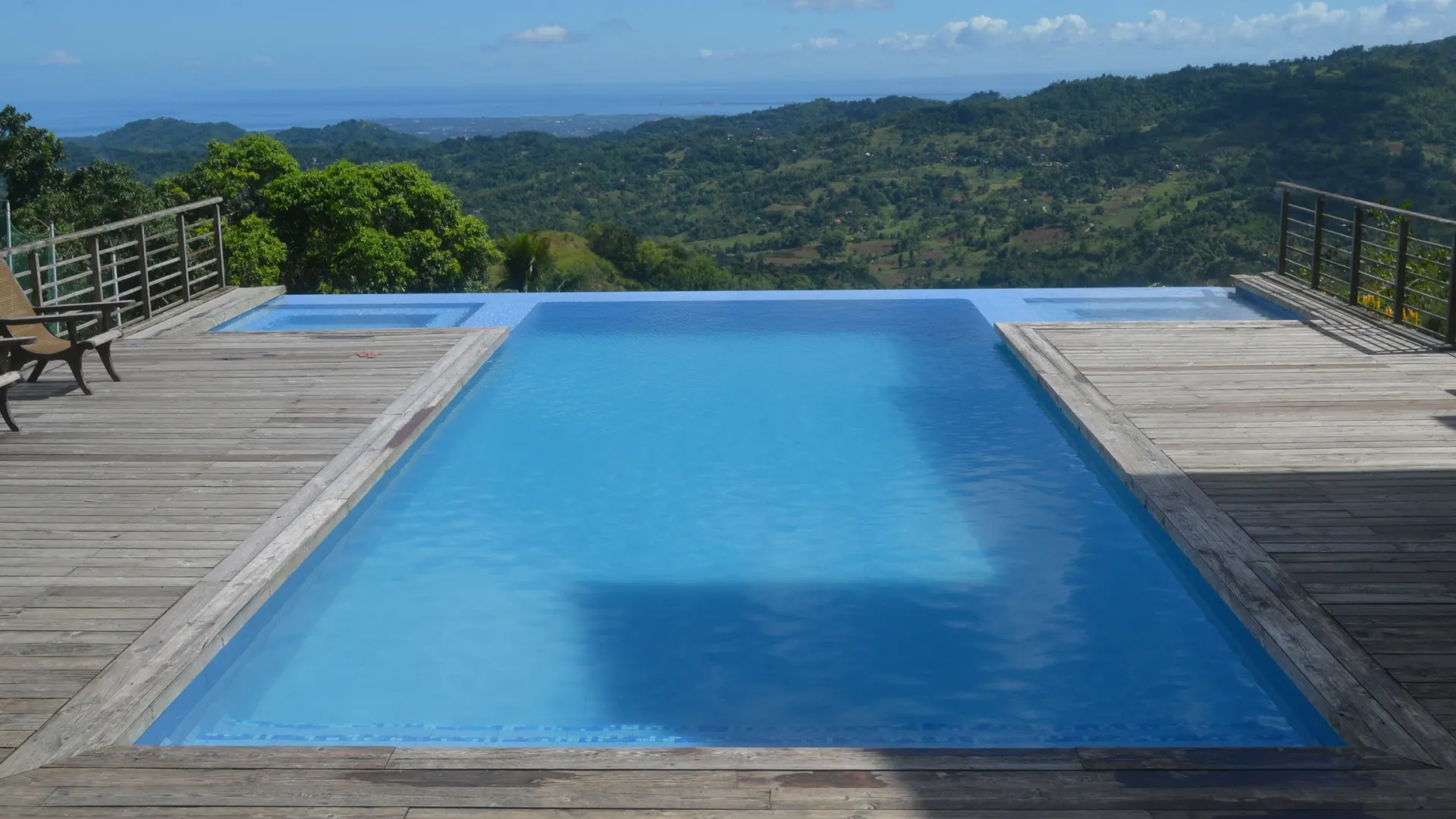
Swimming pools, while a source of fun, exercise, and relaxation, can quickly turn into a liability if not properly maintained. A neglected pool is more than just an unsightly nuisance—it poses a series of hidden dangers that can affect your health, safety, property value, and overall peace of mind. Many homeowners underestimate the consequences of skipping routine maintenance, assuming that occasional cleaning or chemical treatment is enough. However, the risks associated with a dirty or poorly maintained pool are real, and in some cases, severe.
Health Risks Are the Most Immediate Threat
Stagnant pool water becomes a breeding ground for mosquitoes, which are more than just annoying—they’re disease carriers. Mosquitoes thrive in still water, and a neglected pool becomes the perfect habitat. Illnesses such as West Nile virus, Zika, and dengue fever have all been linked to mosquito infestations around stagnant bodies of water. But it doesn’t stop with insects. Warm, untreated water also encourages the rapid growth of bacteria, parasites, and algae. Harmful bacteria like E. coli and Pseudomonas aeruginosa can flourish in improperly chlorinated pools, potentially causing skin rashes, swimmer’s ear, eye infections, and gastrointestinal illnesses.
Safety Hazards: Slips, Trips, and Fails
When algae begins to form on the walls and floor of your pool, surfaces become slippery and dangerous. Even a thin layer of algae can dramatically increase the risk of slips and falls—especially for children, the elderly, or guests unfamiliar with the pool’s condition. Add in broken or corroded ladders, sharp debris, or poor lighting, and the risk of injury increases exponentially. Poolside accidents can result in minor bruises or, in extreme cases, broken bones or head injuries—all because regular upkeep was overlooked.
Structural and Equipment Damage
Neglect doesn’t just affect the water—it impacts your entire pool system. Unbalanced water chemistry can become corrosive, eating away at your pool’s lining, tiles, ladders, railings, and even your expensive pool equipment. Pumps and filters must work harder to circulate dirty or debris-filled water, leading to burnout or clogs that require costly repairs or replacements. Over time, neglect can also damage the pool’s interior surface, causing cracks, stains, and leaks that compromise the pool’s integrity. What might have been a $150 cleaning job could snowball into a multi-thousand-dollar renovation.
Decreased Property Value and Curb Appeal
From a real estate perspective, a neglected pool is a serious red flag. Instead of being an attractive feature that boosts property value, it becomes a liability that scares away buyers or tenants. The first impression of a cloudy, green pool filled with leaves and bugs is hard to shake. Even if the rest of your backyard is immaculate, a poorly maintained pool drags down the entire aesthetic and perceived value of your home. Some buyers may even request that the pool be filled in, viewing it as more trouble than it’s worth.
Legal Liability and Insurance Issues
Few homeowners realize the legal implications of having a neglected swimming pool on their property. If someone is injured due to unsafe conditions—such as slipping on algae, cutting themselves on broken tiles, or falling into a pool that’s unclear or not visibly marked—you could be held legally responsible. This could lead to lawsuits, insurance claims, and increased premiums. Regular cleaning and maintenance are not just about appearances—they’re also about protecting yourself legally and financially.
Mental and Emotional Impact
Aside from physical risks, a neglected pool also affects your psychological well-being. Pools are meant to be calming, inviting spaces where families unwind, play, and create memories. But when a pool becomes dirty, smelly, or unusable, it becomes a source of stress, frustration, and even embarrassment. Social gatherings become awkward, especially if guests are reluctant to swim—or worse, comment on the condition. For many homeowners, looking at a murky pool every day is a constant reminder of a chore left undone, which can negatively impact mental clarity and home satisfaction.
Preventing the Problem Before It Starts
The good news? All of these issues are completely preventable. Regular inspections, chemical balancing, debris removal, and professional deep cleanings eliminate most risks before they begin. By scheduling weekly or biweekly service, you protect not only your investment but also the health and safety of everyone who uses your pool. Maintenance plans are customizable and affordable, especially compared to the cost of fixing major damage or defending against legal claims.
0 Comments