
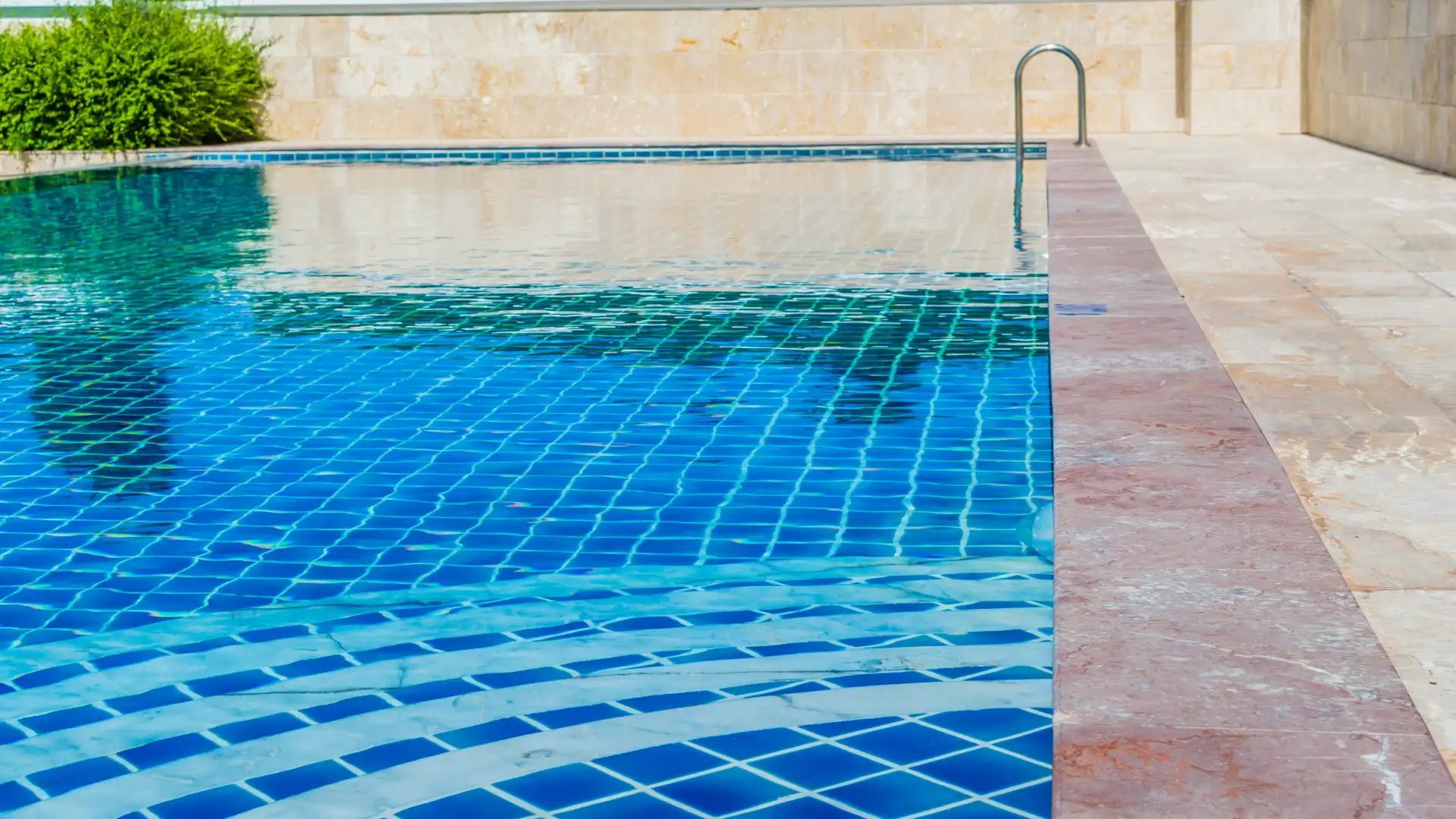
Owning a pool is a rewarding experience, but it also comes with year-round responsibility. Each season brings a different set of challenges for pool care—from opening in spring to protecting your pool during harsh winter months. Staying on top of seasonal maintenance tasks is the key to preserving your pool’s health, maximizing equipment lifespan, and avoiding costly repairs. Whether you’re a new pool owner or a seasoned pro, this comprehensive checklist will help you keep your pool clean, safe, and ready to enjoy—no matter the season.
Spring: Reopening Your Pool
Spring marks the beginning of pool season for most homeowners. As the temperatures rise and the cover comes off, it’s time to prepare your pool for months of use.
Spring Maintenance Checklist:
- Remove and clean the pool cover – Rinse off dirt and leaves, let it dry, and store it in a clean, dry place.
- Inspect equipment – Check pumps, filters, heaters, lights, and skimmers for damage or wear from the off-season.
- Reconnect and prime your filtration system – Ensure valves are properly aligned, and the pump is primed for use.
- Clean the pool – Skim debris, brush walls, and vacuum the pool floor thoroughly.
- Test water chemistry – Use a reliable test kit to check pH, chlorine, alkalinity, calcium hardness, and stabilizer levels.
- Shock the pool – A chlorine shock will sanitize the water and kill off any lingering bacteria or algae.
- Balance chemicals – Adjust levels based on your water test results to achieve optimal balance.
- Run the filter continuously for 24–48 hours – This helps circulate clean water and distribute chemicals evenly.
- Check for leaks – Monitor water levels and equipment performance over several days.
Hiring a professional for the initial pool opening is a smart move—they can catch problems early and ensure everything is started correctly after months of dormancy.
Summer: High-Use Season
Summer is when your pool gets the most love—and the most wear. Heat, sunlight, and frequent swimmers all impact water quality and cleanliness. Staying consistent with maintenance is vital during these months.
Summer Maintenance Checklist:
- Skim daily – Remove leaves, insects, and other debris that collects on the surface.
- Brush and vacuum weekly – Prevent algae and dirt buildup on walls and the pool floor.
- Test chemical levels 2–3 times per week – Heat and swimmer load can quickly affect balance.
- Maintain proper chlorine levels – Aim for 1–3 ppm depending on pool size and usage.
- Monitor pH and alkalinity – Keep pH between 7.4–7.6 and alkalinity between 80–120 ppm.
- Empty skimmer and pump baskets regularly – Prevent clogs and improve filtration efficiency.
- Shock the pool weekly or after heavy use – Especially important after pool parties or rainstorms.
- Check filter pressure – If it’s 8–10 psi above the normal range, it’s time to clean or backwash.
- Keep an eye on water level – Maintain it at mid-skimmer height for optimal circulation.
- Maintain your pool cover (if using one) – Remove debris, water, or insects that may collect when the pool isn’t in use.
Summer is also a good time to schedule a mid-season professional inspection to ensure equipment is running smoothly and chemical levels are consistent.
Fall: Preparing for Closure
As the temperatures start to drop and pool use declines, fall is the time to begin winterizing your pool. Proper closing prevents freezing damage, algae growth, and costly repairs come spring.
Fall Maintenance Checklist:
- Remove all debris – Use a skimmer and vacuum to clear out fallen leaves and other organic matter.
- Thoroughly clean the pool – Scrub all surfaces and make sure the water is as clean as possible before closing.
- Backwash or clean the filter – Ensure your filter is cleaned before shutting down the system for months.
- Lower the water level – Depending on your pool type, lower the water below the skimmer and return jets.
- Balance the water chemistry – Get pH, chlorine, and alkalinity levels within ideal ranges before adding winterizing chemicals.
- Add winterizing chemicals – Use algaecide, pool antifreeze (for colder climates), and sanitizer as recommended.
- Blow out and plug lines – This prevents water from freezing inside pipes and causing damage.
- Disconnect equipment – Drain and store pumps, heaters, and chlorinators if necessary.
- Install a winter cover – Use a safety cover or standard winter cover to protect your pool from debris and the elements.
Hiring a pool service to handle the winterization process can be a lifesaver—especially in regions where freezing is a concern.
Winter: Off-Season Care
Even during winter, your pool needs some attention. A neglected pool cover or frozen plumbing can spell disaster when the weather warms up again. A few small checks during the winter months go a long way.
Winter Maintenance Checklist:
- Inspect the pool cover monthly – Remove accumulated snow, leaves, and water. Check for rips or tears.
- Check water level and adjust if needed – Evaporation still occurs in winter. Refill carefully if it drops too low.
- Ensure water inside pipes hasn’t frozen – Use pool-safe antifreeze or have lines professionally blown out.
- Keep surrounding area clear – Trim branches and remove items that could fall onto the cover during storms.
- Look for signs of damage – Cracks in tiles, coping, or decking should be addressed before reopening.
- Monitor equipment stored for winter – Keep it dry, protected, and free of pests or rodents.
Even if you don’t plan to swim during the colder months, occasional winter checks help prevent surprises and make spring opening faster and cheaper.
0 Comments