

When it comes to keeping our clothes clean and fresh, most people use the terms laundry and dry cleaning interchangeably. However, they are two completely different cleaning processes designed for different types of fabrics and stains. Understanding the real difference between laundry and dry cleaning can help you make the right choice for your clothes — and extend their life too.
💧 What Is Laundry?
Laundry is the traditional method of cleaning clothes using water and detergent. This process involves soaking, washing, rinsing, and drying garments. It’s best suited for everyday wear like t-shirts, jeans, towels, bedsheets, and cotton fabrics.
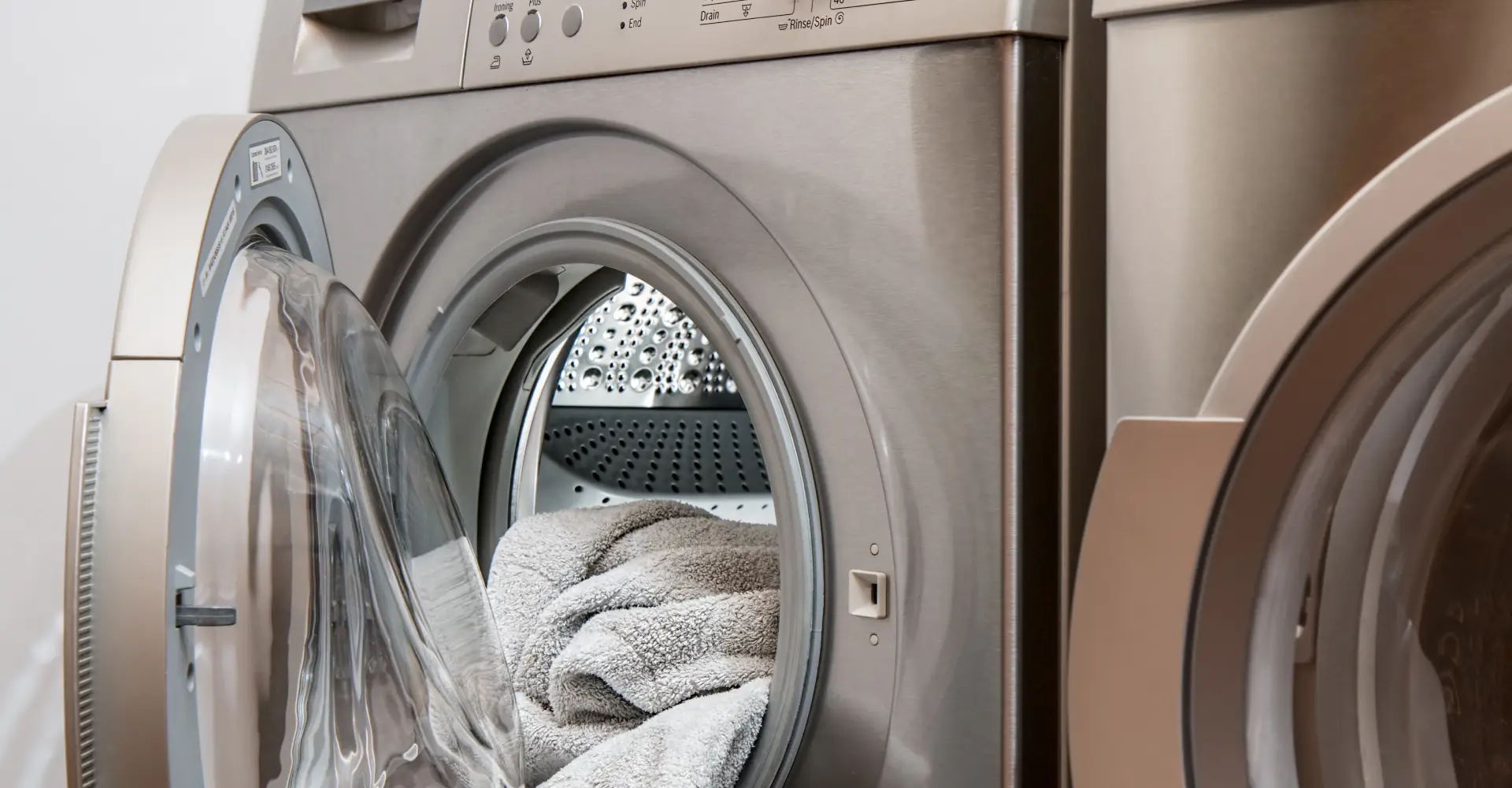
Modern laundry services use automatic washing machines that ensure proper water temperature, detergent level, and rinse cycles for effective cleaning. After washing, clothes are either tumble-dried or air-dried, then neatly ironed and folded for delivery.
Benefits of Laundry:
- Affordable: Laundry is cost-effective compared to dry cleaning.
- Water-based Cleaning: Perfect for washable fabrics like cotton, linen, and polyester.
- Fresh Smell: Clothes come out with a clean, refreshing fragrance.
- Quick Turnaround: Laundry services are generally faster than dry cleaning.
When to Choose Laundry:
- For daily wear or casual clothes.
- When the fabric label says “machine washable.”
- When removing sweat or light dirt from clothes.
🧴 What Is Dry Cleaning?
Dry cleaning, as the name suggests, is a process that doesn’t use water. Instead, it uses a chemical solvent (traditionally perchloroethylene, or “perc”) to clean clothes. The solvent effectively removes grease, oil, and stains that water can’t handle.
In this process, garments are placed in a special dry cleaning machine that looks like a large front-load washer. After the cleaning cycle, the solvent is removed, and the clothes are steamed, pressed, and packaged for delivery.
Benefits of Dry Cleaning:
- Gentle on Fabrics: Ideal for delicate and luxury materials like silk, wool, or satin.
- Removes Tough Stains: Solvents can dissolve oil, grease, and ink stains.
- Preserves Shape and Texture: Clothes stay crisp and maintain their original structure.
- Professional Finish: Dry-cleaned garments are perfectly pressed and ready to wear.
When to Choose Dry Cleaning:
- For formal wear, coats, blazers, sarees, or designer outfits.
- When clothes are labeled “Dry Clean Only.”
- For fabrics sensitive to water or that shrink easily.
⚖️ Laundry vs. Dry Cleaning: Key Differences
| Feature | Laundry | Dry Cleaning |
|---|---|---|
| Cleaning Agent | Water + Detergent | Chemical Solvent (No Water) |
| Suitable For | Everyday clothes | Delicate or high-end fabrics |
| Stain Type | Sweat, dust, dirt | Grease, oil, ink |
| Cost | Affordable | Slightly higher |
| Turnaround Time | Quick | Moderate |
| Fabric Care | May fade or shrink delicate fabrics | Maintains shape and texture |
👕 Which Is Better for You?
Both methods have their purpose. If you’re washing casual, cotton-based clothes, laundry is your best choice — it’s quick, affordable, and effective. But if you’re dealing with high-end garments or fabrics that require gentle care, dry cleaning is the smarter option.
Many professional cleaning companies, like FreshWash Laundry, offer both laundry and dry cleaning services — so you can choose the right one for every type of fabric. Whether it’s your favorite formal suit, delicate saree, or everyday workwear, each piece gets the right treatment it deserves.
🌟 Final Thoughts
The difference between dry cleaning and laundry isn’t just about water — it’s about how each method protects your fabrics. Laundry keeps your everyday clothes fresh, while dry cleaning preserves the elegance of your delicate wear.
0 Comments