
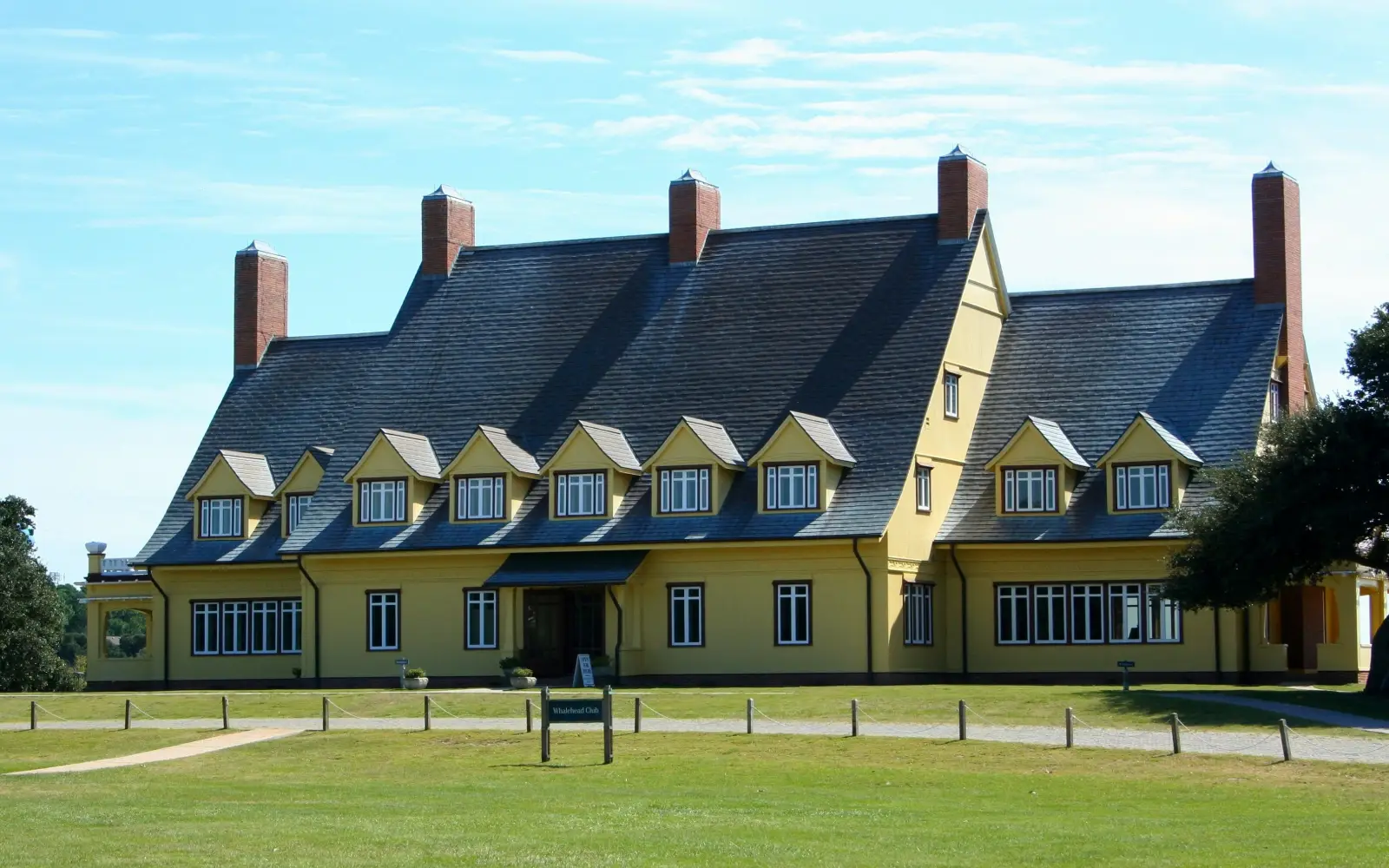
Restoring a classic home is more than just a renovation project—it is a journey back in time, a celebration of heritage, and a way to preserve architectural beauty for generations to come. Unlike modern remodeling, which focuses on adding new features and contemporary styles, classic home restoration emphasizes respect for tradition while ensuring the house remains functional and comfortable for today’s lifestyle.
Why Classic Home Restoration Matters
Classic homes often carry historical, cultural, or emotional value. They showcase craftsmanship and design details that are rarely found in newer constructions—ornate woodwork, vintage flooring, tall ceilings, or elegant arches. However, with time, these elements can deteriorate, leaving the home looking outdated or even unsafe. Restoration is not about erasing the past; it’s about enhancing it. By carefully repairing, refinishing, and upgrading, homeowners can maintain the charm of their property while making it livable for modern needs.
Key Elements of Classic Home Restoration
1. Preserving Original Architecture
The most important step in restoring a classic home is retaining its authentic character. Whether it’s antique moldings, traditional fireplaces, or wooden staircases, these features are what make the home unique. Skilled craftsmen can repair or replicate damaged parts to keep the original style intact.
2. Upgrading Structural Integrity
While the exterior may look beautiful, many older homes require updates to their foundation, roofing, and electrical or plumbing systems. Restoring these essentials ensures safety and functionality without compromising the classic design.
3. Blending Old with New
Classic restoration does not mean avoiding modern comforts. Today’s homeowners can enjoy upgraded kitchens, smart lighting, and energy-efficient systems, all while keeping the vintage charm. The goal is to create a perfect balance between old-world elegance and modern-day convenience.
Challenges in Classic Restoration
Restoring older homes comes with unique challenges. Some materials used decades ago may no longer be available, requiring creative alternatives or custom fabrication. Unexpected issues, such as hidden water damage, outdated wiring, or structural cracks, may surface once the renovation begins. This is why careful planning, professional expertise, and a flexible budget are essential when starting a classic restoration project.
The Benefits of Restoring a Classic Home
Preserving Heritage – Classic home restoration helps maintain the cultural and architectural identity of a neighborhood or community.
Increased Property Value – A well-restored home often has higher market value due to its uniqueness and charm.
Sustainable Choice – Restoring rather than demolishing reduces construction waste and makes use of existing resources.
Personal Satisfaction – Living in a beautifully restored home offers pride and comfort, knowing you are preserving history while enjoying modern living.
Example of a Classic Home Restoration Project
Imagine a century-old family home with faded wooden floors, cracked walls, and outdated layouts. Through careful restoration, the wooden floors are refinished to their original shine, vintage-style chandeliers are installed, and the grand staircase regains its elegance. At the same time, hidden wiring is replaced with a modern electrical system, and the kitchen is updated with energy-efficient appliances—without losing its traditional charm. The result is a home that looks timeless but functions perfectly for a modern family.
Final Thoughts
Classic home restoration is both an art and a science. It requires respect for history, attention to detail, and a vision for blending tradition with modern living. By preserving original features, upgrading necessary systems, and maintaining the home’s authentic style, restoration brings out the best of the past while preparing the house for the future.
If you’re considering a renovation, a classic home restoration could be the perfect way to honor tradition while creating a comfortable, stylish, and functional space for your family.
0 Comments