
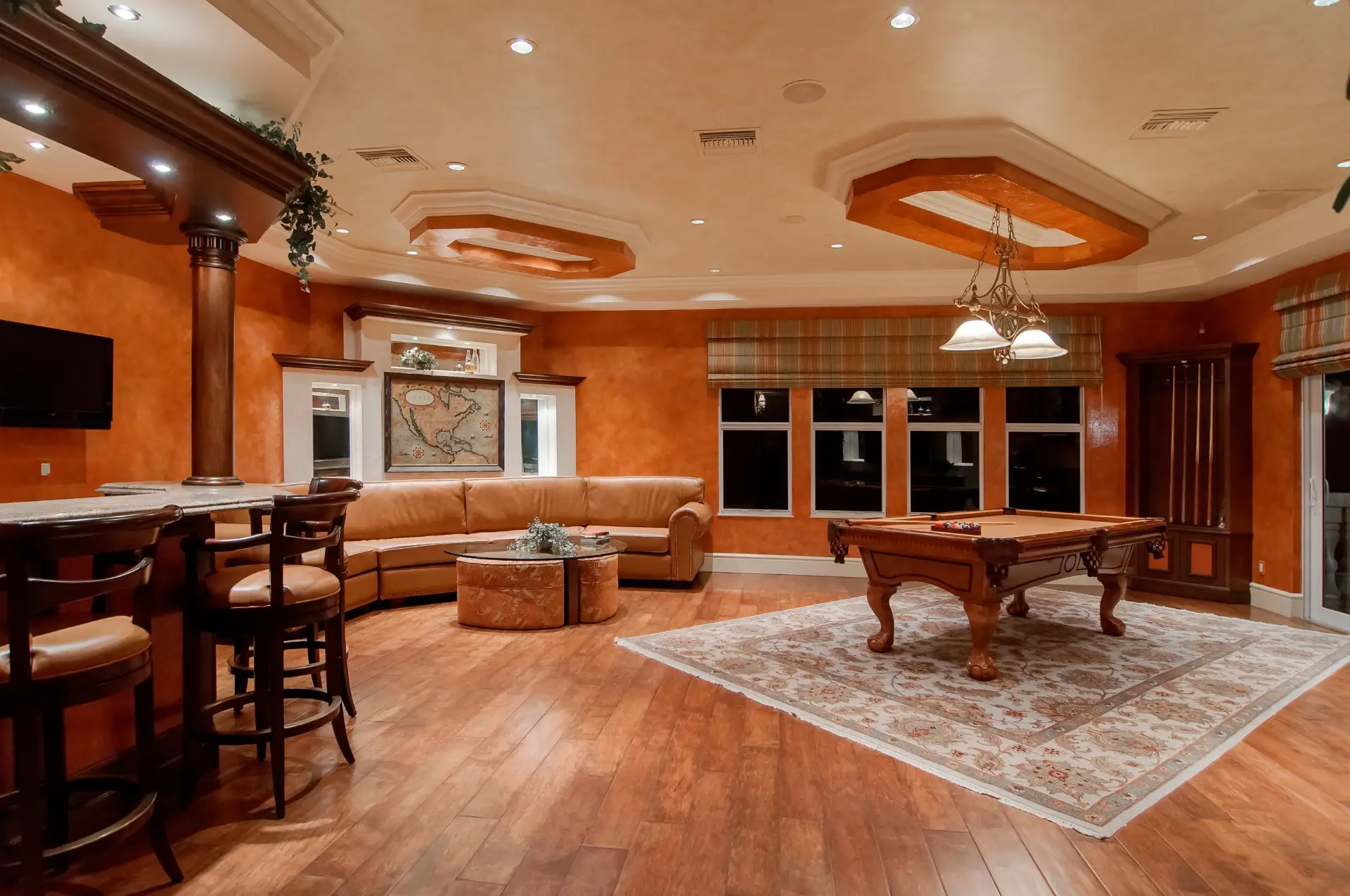
When it comes to choosing flooring for your home, the options can quickly become overwhelming. Among the most popular choices today are hardwood, laminate, and vinyl flooring. While they can sometimes look quite similar, these three materials differ significantly in terms of construction, durability, maintenance, cost, and overall performance. Understanding the differences between hardwood, laminate, and vinyl will help you make a more informed decision based on your lifestyle, budget, and design preferences.
Hardwood flooring is considered the gold standard in many homes due to its timeless beauty, durability, and the value it can add to a property. Made from solid wood or engineered wood layers, hardwood comes in a variety of species such as oak, maple, walnut, and hickory. Solid hardwood is made from a single piece of wood and can be sanded and refinished multiple times, which makes it a long-term investment. Engineered hardwood, on the other hand, consists of a real wood veneer on top of layers of plywood, offering better resistance to moisture and temperature fluctuations than solid wood. While hardwood offers unmatched natural beauty and warmth, it is generally the most expensive of the three and is more prone to scratching, denting, and water damage. It also requires regular maintenance such as refinishing, especially in high-traffic areas.
Laminate flooring, often seen as a more affordable alternative to hardwood, is a synthetic product designed to imitate the appearance of wood. It consists of a high-density fiberboard (HDF) core topped with a photographic image layer that replicates the look of wood, stone, or tile, all sealed under a durable wear layer. Laminate is known for being scratch-resistant and easier to install, making it a popular choice for DIY enthusiasts. It is also more budget-friendly than hardwood and performs well in high-traffic areas. However, it is less resistant to moisture, and while some water-resistant versions exist, traditional laminate can swell and warp if exposed to water for prolonged periods. Unlike hardwood, laminate cannot be refinished—once it’s damaged, the affected planks must be replaced.
Vinyl flooring, especially luxury vinyl plank (LVP) and luxury vinyl tile (LVT), has gained popularity in recent years thanks to advances in design and technology. Vinyl is a fully synthetic material made primarily from PVC, with layers that include a wear layer, a photographic image layer, and a core layer. Luxury vinyl can closely mimic the look of hardwood or stone while offering superior resistance to water, scratches, and dents. It’s one of the best options for moisture-prone areas like kitchens, bathrooms, laundry rooms, and basements. Vinyl is also softer and quieter underfoot compared to laminate and can be more comfortable for standing over long periods. It’s generally the most water-resistant and low-maintenance option of the three, making it ideal for busy households, families with pets, or those who prefer easy upkeep. While vinyl doesn’t offer the same resale value as real hardwood, high-quality vinyl products can still add visual appeal and practicality to a home.
In terms of installation, all three materials offer relatively simple methods depending on the type of product. Hardwood is typically nailed or stapled down and best installed by professionals, while laminate and vinyl often feature click-lock or floating installations that are DIY-friendly. When comparing lifespan, hardwood has the potential to last 50 years or more with proper care, laminate usually lasts 10 to 25 years, and luxury vinyl can last 15 to 30 years depending on quality and maintenance.
When deciding between hardwood, laminate, and vinyl, consider your household’s specific needs. If you’re seeking a high-end, classic look and don’t mind the extra maintenance or cost, hardwood is a worthwhile investment. If you’re budget-conscious and want a floor that’s durable and easy to install, laminate may be the right choice. For families who need waterproof, low-maintenance, and durable flooring that still looks stylish, vinyl is hard to beat.
Ultimately, each flooring type has its pros and cons, and the best choice comes down to balancing aesthetics, functionality, and budget. By understanding the differences between hardwood, laminate, and vinyl, you can choose a flooring solution that enhances both the beauty and practicality of your home for years to come.
0 Comments