
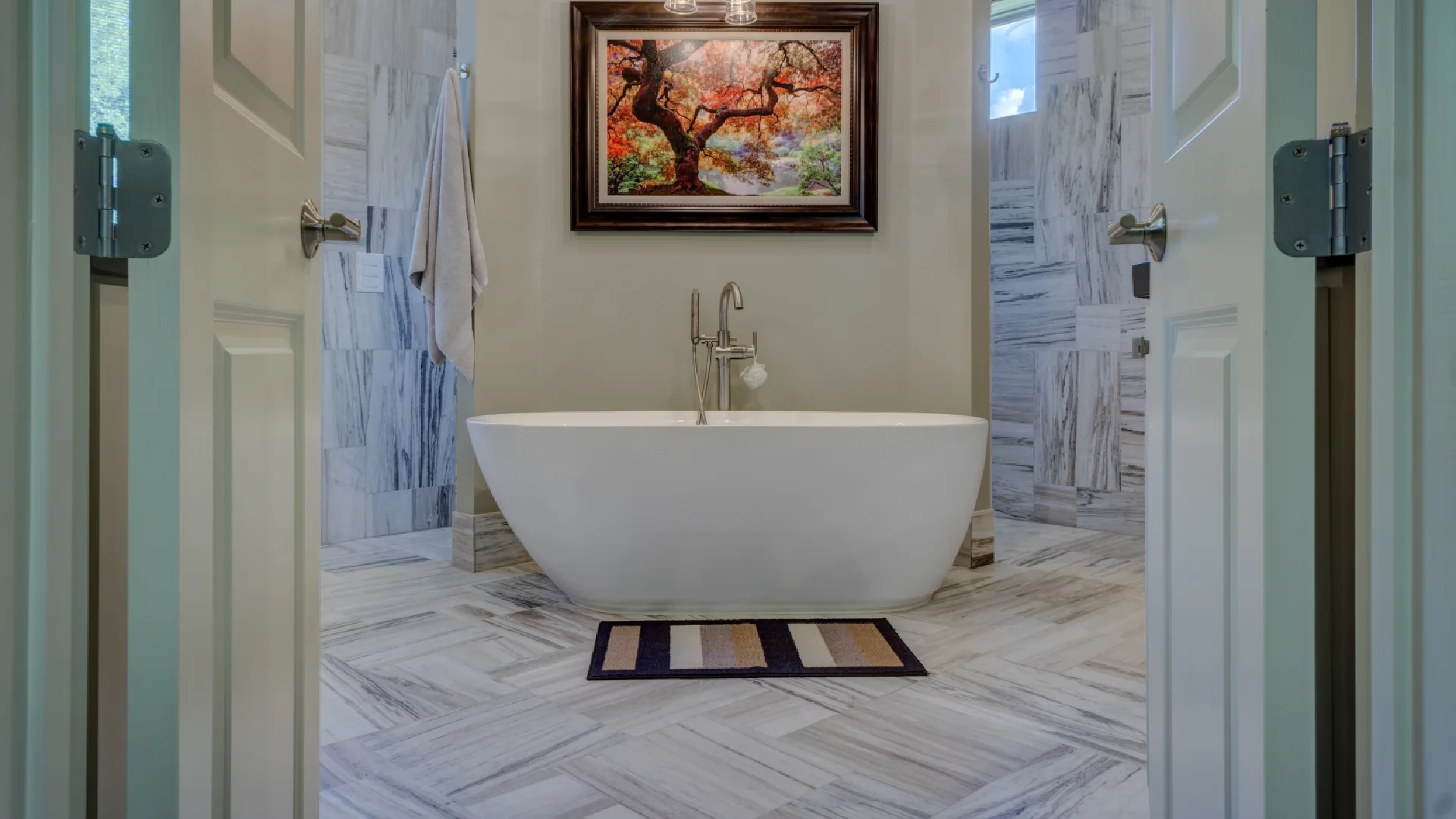
When selecting flooring for your home, especially in moisture-prone areas like kitchens, bathrooms, basements, or laundry rooms, the term “waterproof flooring” is often a top consideration. The promise of a surface that can resist water damage, spills, and humidity sounds ideal for busy households and those concerned about longevity. But is waterproof flooring really waterproof? The answer is more nuanced than you might expect. While waterproof flooring offers significant protection against moisture, it’s important to understand what “waterproof” means in the context of flooring, the different types of waterproof flooring available, their limitations, and how to maintain them to ensure lasting performance.
What Does “Waterproof” Mean in Flooring?
In general terms, “waterproof” flooring is designed to prevent water from penetrating through the surface and damaging the core materials or subfloor underneath. Unlike water-resistant floors, which can tolerate minor spills or humidity but may still suffer damage over time if exposed to standing water, waterproof flooring aims to be impervious to water intrusion. However, waterproof flooring doesn’t necessarily mean it’s impervious to every form of water exposure or that it can handle unlimited moisture without any consequences.
Waterproof flooring typically features a durable, sealed surface layer that prevents water from soaking in, combined with a core or backing made of water-impermeable materials such as vinyl, rigid composite, or specially treated wood products. This combination allows these floors to handle everyday accidents like spills, pet messes, or splashes without warping, swelling, or staining. Still, these floors are not completely impervious to damage if water is left standing for prolonged periods or if moisture seeps through seams or edges.
Types of Waterproof Flooring
There are several types of flooring marketed as waterproof, each with unique construction and water protection capabilities. Understanding the differences will help you choose the best flooring for your needs.
Luxury Vinyl Plank (LVP) and Luxury Vinyl Tile (LVT)
Luxury vinyl flooring is one of the most popular waterproof options on the market today. Made from multiple layers including a waterproof vinyl core and a wear layer with realistic wood or stone designs, LVP and LVT are 100% waterproof and highly durable. They can withstand spills, splashes, and even temporary flooding without damage. Their water-resistant core materials mean water doesn’t soak through to the subfloor, making them excellent choices for bathrooms, kitchens, and basements. Installation methods vary, but many luxury vinyl products use click-lock or glue-down systems that further prevent moisture intrusion.
Waterproof Laminate Flooring
Traditional laminate flooring is water-resistant but not waterproof, as its fiberboard core is prone to swelling if exposed to water. However, newer waterproof laminate options have emerged with specialized waterproof cores and tightly sealed edges that prevent water from penetrating. These products are suitable for moisture-prone areas but still require prompt cleanup of spills. Waterproof laminate offers the aesthetic appeal of wood or stone with added protection, but it’s generally less moisture-tolerant than vinyl.
Engineered Hardwood with Waterproof Features
Engineered hardwood consists of a thin hardwood veneer over plywood or composite layers. While traditional engineered wood is water-resistant, some newer products incorporate waterproof cores or enhanced sealants to boost moisture protection. These floors are not entirely waterproof like vinyl but can handle occasional moisture better than solid hardwood. For areas with moderate humidity or occasional spills, waterproof engineered hardwood can be a good option when paired with proper installation and moisture barriers.
Tile and Stone
Though not typically labeled “waterproof flooring,” ceramic and porcelain tiles are inherently impervious to water because of their glazed surfaces and dense composition. Grout lines, however, can absorb moisture unless sealed properly. Natural stone tiles are more porous and generally require sealing to prevent water damage. While tile floors don’t swell or warp like wood or laminate, water can cause damage to the subfloor or grout if not maintained.
Limitations of Waterproof Flooring
Despite their name, waterproof floors have some limitations homeowners should keep in mind:
- Standing Water Is Still a Risk: No flooring material is designed to tolerate standing water indefinitely. If water pools on the surface for hours or days, it can seep through seams, edges, or imperfect installation areas and damage the subfloor or lead to mold growth.
- Seams and Edges Are Vulnerable: Waterproof flooring is usually installed with seams or edges that, if not sealed properly or if damaged over time, can allow moisture infiltration. Proper installation and regular maintenance of seams and trims are essential.
- Subfloor Conditions Matter: Waterproof flooring protects the surface and core materials but does not make the subfloor waterproof. If the subfloor has moisture issues or leaks, it can cause problems such as warping, adhesive failure, or mold even under waterproof flooring.
- Limited Lifespan Without Care: Even waterproof floors require proper care, including quick cleanup of spills, using protective pads under furniture, and avoiding harsh cleaning chemicals. Ignoring these practices can shorten the lifespan of the floor.
How to Maintain Waterproof Flooring
To maximize the life and performance of waterproof flooring, regular maintenance and best practices are crucial:
- Clean Spills Immediately: Wipe up water, juice, or other liquids quickly to prevent pooling and seepage.
- Use Rugs and Mats: Place mats near entrances, sinks, and other moisture-prone areas to catch dirt and water before it reaches the floor.
- Seal Seams and Edges: Ensure professional installation includes proper sealing of seams and edges. Periodically check and reseal if needed.
- Avoid Harsh Chemicals: Use manufacturer-recommended cleaning products designed for waterproof floors to avoid damaging the surface layers.
- Control Indoor Humidity: Maintain moderate indoor humidity levels to prevent condensation and moisture buildup under flooring.
- Inspect for Damage: Regularly check for signs of lifting, bubbling, or damage that could allow water infiltration.
Is Waterproof Flooring Right for Your Home?
Waterproof flooring is an excellent choice for many homeowners, especially those with active households, pets, or moisture-prone rooms. Its resistance to water damage and easy maintenance make it a practical and stylish solution for kitchens, bathrooms, basements, laundry rooms, and mudrooms. However, it’s important to recognize that “waterproof” is not synonymous with “invincible.” No flooring material can completely eliminate the risks associated with poor installation, neglected spills, or underlying moisture problems.
Before choosing waterproof flooring, evaluate the specific needs of your space, including moisture exposure, foot traffic, style preferences, and budget. Consult with flooring professionals to select the best product and ensure proper installation with moisture barriers and sealing techniques. By understanding the capabilities and limitations of waterproof flooring and maintaining it carefully, you can enjoy beautiful, worry-free floors that stand up to the demands of everyday life.
0 Comments