
As we step into 2025 and look ahead to 2026, flooring trends are taking a more intentional and lifestyle-driven direction. Homeowners are no longer just looking for durable or stylish surfaces — they want flooring that reflects their values, enhances well-being, and complements modern living. This year’s biggest flooring trends blend natural aesthetics, smart functionality, and sustainable materials. From cozy textures to smart surfaces, here’s what’s shaping the world of flooring right now.
One of the most noticeable shifts in 2025–26 is the return of warm, natural tones. While cool grays and stark whites have dominated in recent years, more homeowners are now leaning toward honey, beige, and soft brown shades that bring warmth and comfort to interiors. These hues offer a timeless appeal and blend effortlessly with organic décor and biophilic design elements like wood, plants, and natural light. Along with this, textured and matte finishes are gaining popularity over glossy ones. Matte surfaces and wire-brushed or hand-scraped finishes help hide scratches and dust while providing a soft, natural look that adds depth and character to the flooring.
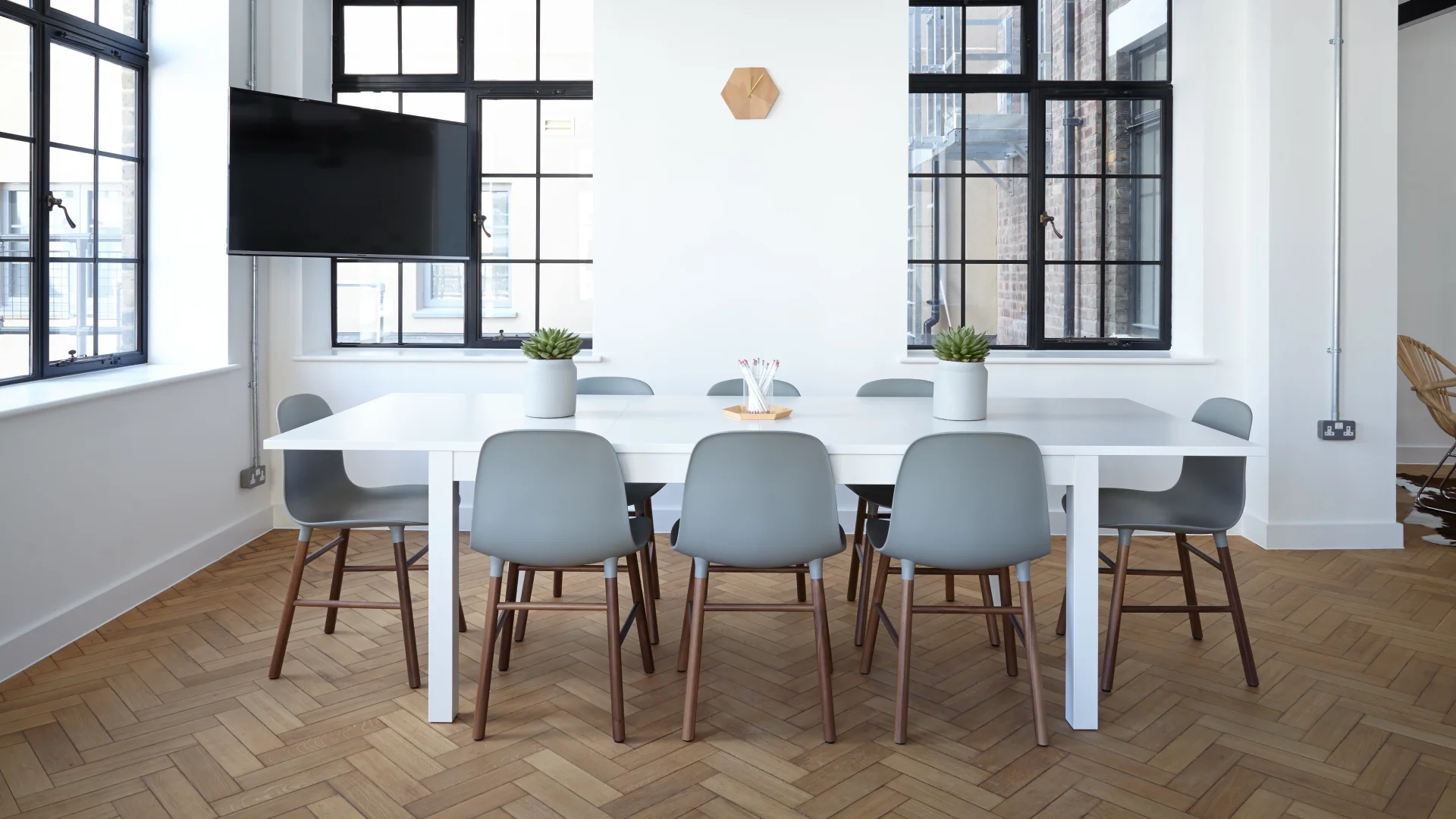
Another key trend is the rise of large-format tiles and extra-wide planks. These designs create a more seamless, expansive feel in open spaces and reduce the appearance of grout lines or joints. Whether it’s oversized stone-look porcelain in a modern kitchen or wide hardwood planks in a living room, the larger scale brings a clean, contemporary aesthetic that feels both luxurious and minimal. Similarly, patterned flooring is making a comeback in 2025. Think herringbone, chevron, and checkerboard patterns—but with a modern twist. These designs are often done in muted, natural tones to add texture and personality without overwhelming the space. They’re especially popular in entryways, bathrooms, and statement areas like dining rooms or home offices.
Sustainability is no longer just a niche trend—it’s becoming the standard. More homeowners are choosing eco-conscious materials like FSC-certified hardwood, reclaimed timber, cork, bamboo, and low-VOC vinyl and laminate options. Flooring that mimics the look and feel of nature is also in high demand. This includes wood-look tiles, stone-look vinyl, and surfaces inspired by natural patterns and textures. The goal is to create healthier, more calming indoor environments, especially as people continue to spend more time at home. Many flooring brands are also focusing on sustainable manufacturing practices and recyclable materials, offering consumers more environmentally responsible choices than ever before.
Technology is also beginning to influence flooring in exciting ways. High-performance flooring like waterproof luxury vinyl plank (LVP), stone plastic composite (SPC), and engineered hardwood are being engineered to look and feel more authentic while offering durability and ease of maintenance. These options are especially popular in moisture-prone areas like kitchens, bathrooms, and basements. Some innovative brands are even experimenting with interactive and smart flooring features—such as temperature sensors, light-reactive surfaces, and underfloor LED lighting. While still a developing category, smart flooring is likely to become more mainstream in the next few years.
In addition, multi-material and zoned flooring is gaining traction. Designers are now blending different flooring types in one space for both function and style—for example, combining tile in the kitchen zone with hardwood or LVP in the living area of an open-plan home. This not only defines separate areas without walls but also allows for better performance where it’s needed most. The key is in seamless transitions—gradual blending of materials, color continuity, and creative borders that make the mix feel intentional and elegant.
While new trends are rising, some older ones are phasing out. Overly rustic finishes, high-gloss flooring, jet-black wood stains, and narrow strip planks are gradually falling out of favor. Homeowners are opting for timeless designs that can age gracefully, rather than bold fads that quickly feel outdated. The focus is now on longevity, both in material performance and design relevance.
Looking ahead, flooring in 2025–26 is about more than just what’s underfoot—it’s about how it contributes to your home’s overall feeling and function. Whether you’re remodeling a single room or building your dream home, today’s trends offer a perfect balance of beauty, durability, and sustainability. With so many options available—from waterproof vinyl to reclaimed wood and textured tile—there’s never been a better time to invest in flooring that fits both your lifestyle and your personal style.
0 Comments