
Driving is an essential skill that grants independence and convenience, but it also comes with the responsibility of following traffic rules and understanding road signs. For beginners, learning these signs and regulations is crucial for road safety and avoiding penalties. This guide will help new drivers navigate the basics of road signs and traffic rules effectively.
Traffic rules and road signs exist to maintain order on the roads and ensure the safety of all drivers, pedestrians, and cyclists. Here are some key reasons why understanding them is important:
- Prevents Accidents: Clear knowledge of road signs helps drivers make informed decisions, reducing the risk of collisions.
- Avoids Penalties: Ignorance of traffic rules can lead to fines, license suspension, or even legal trouble.
- Ensures Smooth Traffic Flow: Traffic signals, road markings, and signs regulate vehicle movement to prevent congestion.
- Protects Pedestrians: Following pedestrian-related signs ensures their safety on crosswalks and intersections.
Now, let’s explore the different types of road signs and their meanings.
Road signs are classified into three main categories: Regulatory Signs, Warning Signs, and Informational Signs. Each type serves a specific purpose in guiding road users.
Regulatory signs inform drivers about legal road rules that must be obeyed. Violating these signs can lead to penalties.
- Stop Sign (Red, Octagonal): Requires drivers to come to a complete stop before proceeding.
- Yield Sign (Red, Triangular): Drivers must slow down and give way to traffic from another road.
- Speed Limit Signs: Indicate the maximum or minimum speed a vehicle can travel.
- No U-Turn / No Left Turn / No Right Turn: Restricts certain directional movements to ensure safety.
- One-Way Signs: Indicate that traffic flows in only one direction.
- No Parking / No Stopping: Prohibits vehicles from stopping or parking in specific zones.
Warning signs alert drivers about potential hazards ahead, allowing them to prepare accordingly.
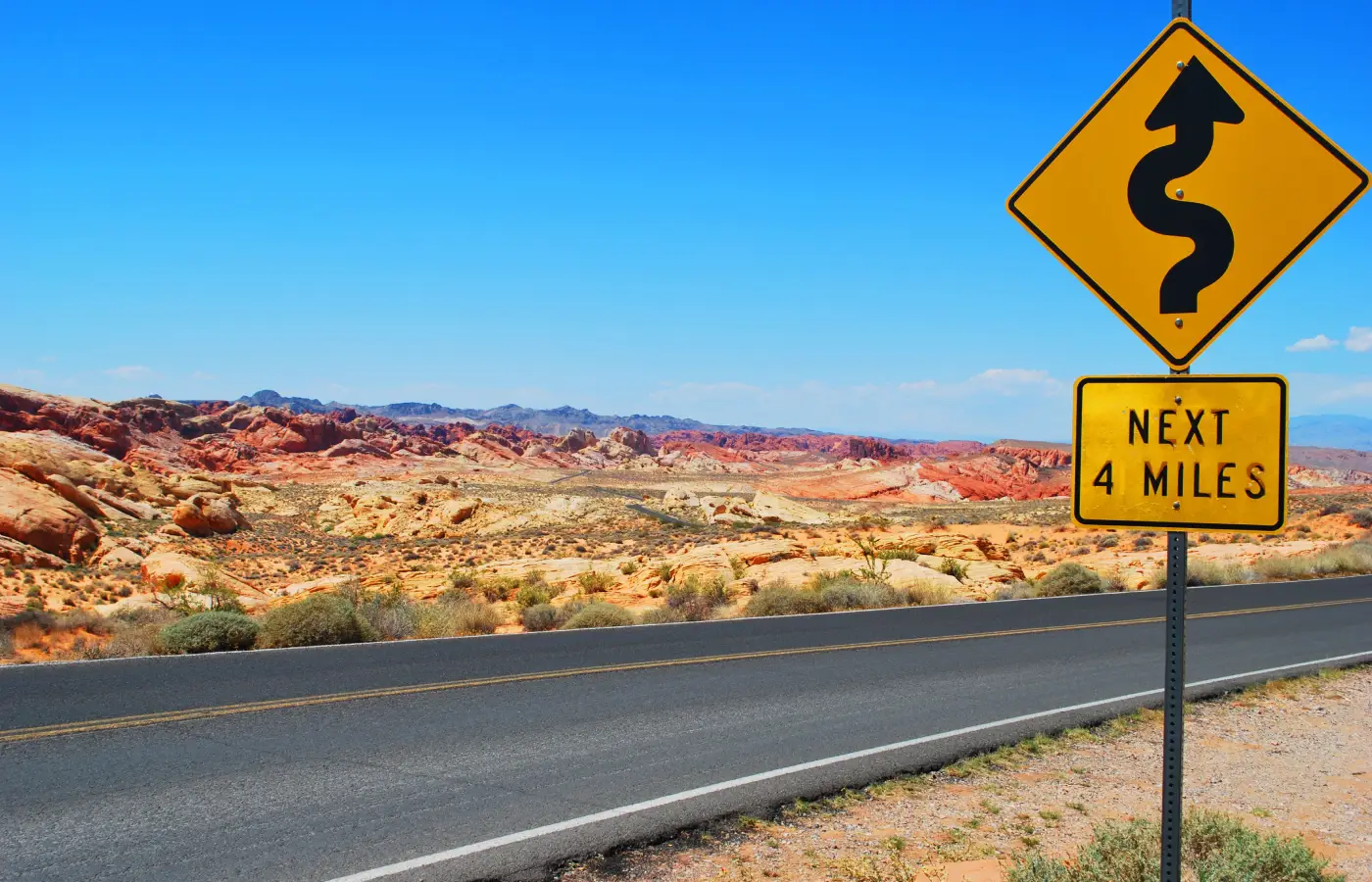
- Sharp Curve Ahead: Alerts drivers about an upcoming sharp turn.
- Slippery Road: Warns of possible slippery conditions due to rain or ice.
- Pedestrian Crossing: Indicates areas where pedestrians frequently cross.
- Animal Crossing: Found in rural areas where animals may cross the road.
- Bump Ahead: Warns of a speed bump that requires drivers to slow down.
- Merging Traffic: Alerts drivers about lanes merging, requiring caution.
These signs provide useful information regarding locations, directions, and services available on the road.
- Hospital / Gas Station / Rest Area: Indicates essential services available nearby.
- Highway Exit / Route Markers: Guide drivers toward specific roads or destinations.
- Parking Zones: Indicate designated parking areas.
- Public Transport Stops: Show locations of bus, taxi, or train stations.
While road signs are vital, understanding general traffic rules is equally important for safe driving. Here are some essential rules that every beginner should follow:
Speed limits vary depending on the type of road and location. Common speed limits include:
- Residential Areas: 25-35 mph (40-55 km/h)
- Urban Roads: 45-55 mph (70-90 km/h)
- Highways: 60-75 mph (95-120 km/h)
- School Zones: 15-25 mph (25-40 km/h)
Understanding who has the right of way prevents accidents and confusion at intersections.
- At Stop Signs: The first vehicle to arrive goes first; if arriving simultaneously, the driver on the right has the right of way.
- At Roundabouts: Vehicles inside the roundabout have priority over incoming traffic.
- Pedestrian Crosswalks: Always give priority to pedestrians.
- Merging Lanes: Vehicles on the main road have the right of way.
0 Comments