
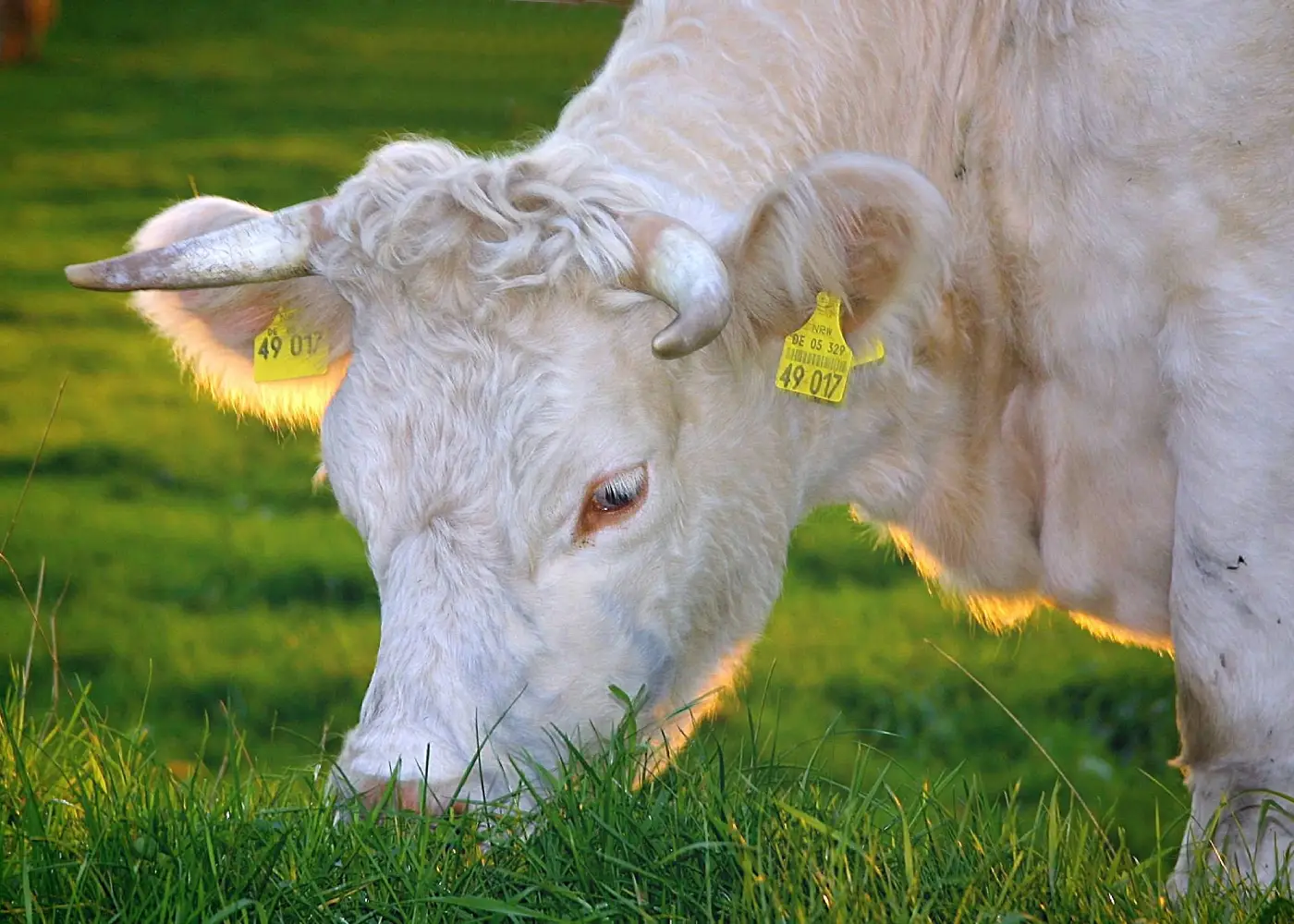
When it comes to milk, freshness and purity are what most people look for. But there’s another factor that can make a big difference to both taste and nutrition — what the cows eat. More and more people are discovering the benefits of grass-fed milk, and for good reason. Milk from grass-fed cows isn’t just a trendy health choice; it’s how nature intended dairy to be produced.
Natural Diet, Natural Benefits
Cows are ruminants, which means their digestive systems are designed to break down and gain nutrients from grasses. When cows graze freely on lush, green pastures, they consume a diet rich in natural fibers, minerals, and plant compounds. This leads to healthier cows and, in turn, healthier milk. Grain-fed diets, often used in large-scale industrial farming, may increase production volume, but they don’t match the natural nutritional balance of grass-fed milk.
Grass-fed milk contains higher levels of omega-3 fatty acids, which are essential for heart health, brain function, and reducing inflammation. It’s also richer in conjugated linoleic acid (CLA), a natural fatty acid known for boosting immunity and supporting metabolism.
Better Taste and Creaminess
If you’ve ever tasted milk from grass-fed cows, you might have noticed its distinctive flavor — richer, creamier, and slightly sweeter. This taste difference comes from the variety of fresh plants and herbs cows consume in open pastures. Seasonal changes in the grass can even give the milk subtle variations in flavor throughout the year, adding to its authenticity and freshness.
In contrast, milk from grain-fed or confined cows can sometimes taste flat or lack the natural creaminess that grass-fed milk is known for.
Richer in Vitamins and Antioxidants
Grass-fed milk is packed with more vitamins and antioxidants than conventional milk. Studies have shown it contains higher levels of vitamins A and E, both of which are important for healthy skin, vision, and immune function. It’s also a better source of beta-carotene, a plant pigment that gives grass-fed butter its natural golden-yellow color.
These nutrients aren’t just good for your health — they help the milk stay fresh longer without the need for artificial additives.
Healthier, Happier Cows
One of the biggest advantages of grass-fed farming is animal welfare. Cows that spend their days grazing on open fields have more space to move, socialize, and live in a low-stress environment. This leads to stronger immune systems, fewer diseases, and a natural, healthy rhythm of life.
Cows in confinement systems are often kept indoors, with limited mobility, and are given a grain-based diet to speed up weight gain. While this might increase short-term production, it can cause long-term health problems for the animals — and it shows in the quality of the milk.
Sustainable and Eco-Friendly
Grass-fed farming is not only good for cows and milk quality but also for the planet. Well-managed pastures help improve soil health, increase biodiversity, and reduce carbon emissions. Cow manure naturally fertilizes the land, creating a self-sustaining cycle that benefits the entire ecosystem.
On the other hand, large-scale grain feeding requires vast amounts of cultivated feed crops, often grown using chemical fertilizers and pesticides, which can have harmful environmental effects.
Making the Switch to Grass-Fed Milk
If you’re thinking about choosing grass-fed milk, look for labels that clearly state “100% Grass-Fed” or “Pasture-Raised.” Some farms offer seasonal grass-fed milk, which is available when cows are grazing during warmer months. Supporting local farms that practice grass-fed dairy production not only benefits your health but also supports sustainable agriculture and animal welfare.
The Bottom Line
Grass-fed cows make the best milk because they live and eat the way nature intended. Their milk is richer in flavor, creamier in texture, and higher in essential nutrients. It’s better for your health, better for the cows, and better for the environment. By choosing grass-fed dairy, you’re not just enjoying a delicious glass of milk — you’re making a choice that supports a healthier food system for everyone.
0 Comments